
How often should you take pickleball lessons to improve
By Janice · Updated 2026-07-30
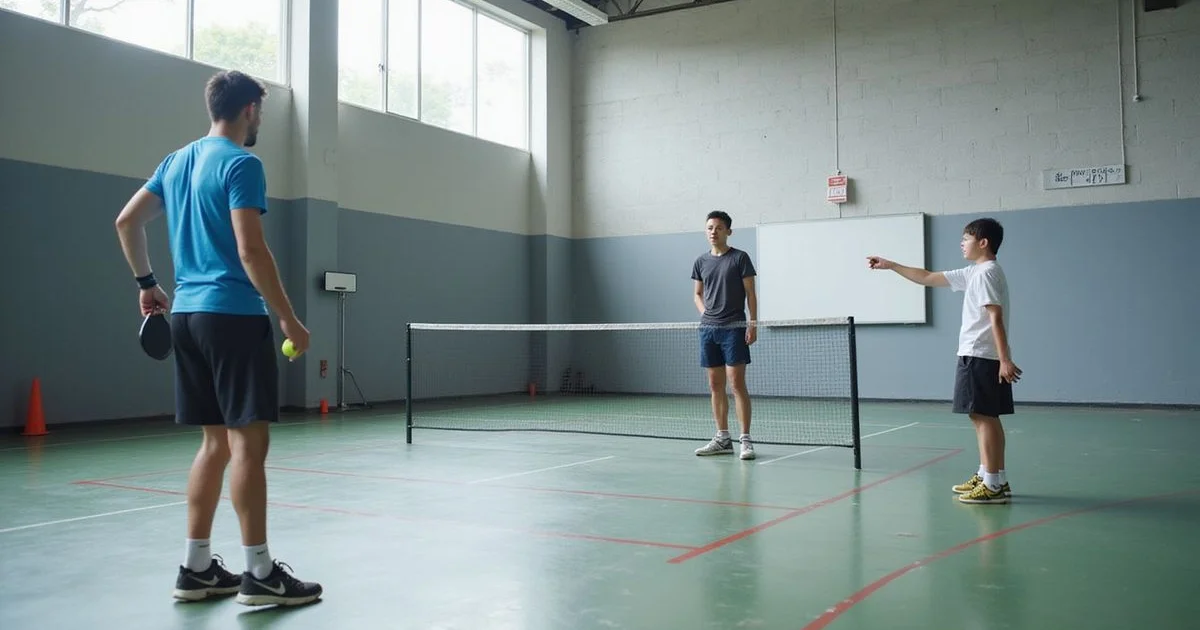
How often you should take pickleball lessons depends less on a fixed rule and more on your goals, how often you already play independently, and what you can realistically fit into your schedule.
The general pattern
For most recreational players working on steady improvement, two to four lessons a month tends to be the sweet spot. That is frequent enough to keep building on feedback from the previous session before it fades, but not so frequent that cost or scheduling becomes a barrier that eventually causes you to quit lessons altogether.
Weekly lessons accelerate progress noticeably, particularly in the first few months, since you are getting more frequent correction before habits, good or bad, fully set in. The trade-off is cost and time commitment, so weekly coaching makes the most sense if you are either newer to the sport or specifically preparing for something like a tournament.
Less than monthly, and lessons start to lose their compounding effect. You spend part of each session re-establishing what you covered last time rather than building on it, which is a less efficient use of both your time and money.
Matching frequency to your stage
Brand new players benefit from more frequent, shorter feedback loops early on, since the goal is building correct fundamentals before incorrect habits form. A concentrated block of weekly lessons for the first month or two, then tapering off, is a common and effective pattern.
Intermediate players working on a specific weakness, like a third shot drop or serve consistency, often do better with fewer, more targeted sessions rather than a fixed weekly schedule. Two lessons a month focused specifically on one skill can outperform four unfocused sessions.
Competitive players preparing for tournaments sometimes increase frequency temporarily in the weeks leading up to an event, then return to a lighter maintenance schedule afterward.
Lessons alone are not enough
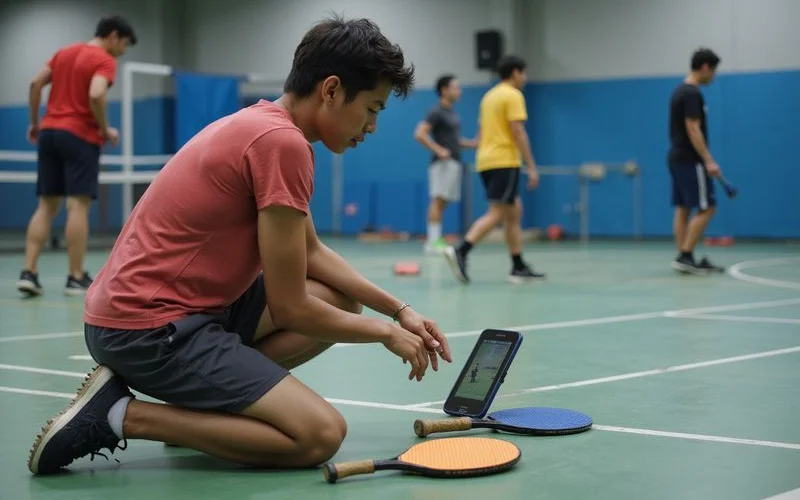
Regardless of frequency, lessons work best paired with independent play between sessions. A lesson introduces or corrects a skill; repetition in casual or social play is what makes it stick. Players who take frequent lessons but rarely play outside of them tend to progress slower than players who combine fewer lessons with more independent court time.
A simple frequency guide
| Goal | Suggested frequency | Notes |
|---|---|---|
| Learning fundamentals (new player) | Weekly for 1-2 months, then taper | Frequent feedback prevents bad habits |
| Steady general improvement | 2-4 lessons a month | Combine with regular independent play |
| Fixing a specific weakness | 2 lessons a month, focused | Targeted beats frequent but unfocused |
| Tournament preparation | Temporarily weekly, pre-event | Return to lighter schedule after |
Setting a schedule that actually sticks
The best lesson frequency is the one you can sustain, both financially and in terms of time. A weekly schedule you abandon after six weeks delivers less overall progress than a realistic twice-monthly schedule maintained consistently for six months. Be honest about your budget and calendar before committing to a frequency, and adjust as your goals and availability change.
Signs your current frequency is not working
A few signals suggest it is time to adjust. If you find yourself re-learning the same correction lesson after lesson, you likely need more independent practice between sessions rather than more coaching. If progress has plateaued despite regular lessons, a change in coach or a temporary switch to more targeted, less frequent sessions can sometimes break through where simply adding more of the same has not.
Conversely, if you are skipping lessons regularly due to cost or scheduling, it may be worth stepping down to a lower, more sustainable frequency rather than cancelling coaching altogether, since some consistent coaching almost always beats none.
Talking frequency through with your coach
A good coach will usually have a view on how often you should be coming back, based on what they see in your game, not just a generic recommendation. It is worth asking directly at the end of a session whether they think your current frequency matches your goals, since they are watching your progress far more closely than you can judge it yourself. Some coaches will actively suggest scaling back if they see you plateauing on court time rather than skill development, which is a sign of a coach genuinely working in your interest rather than just filling their calendar.
Browse pickleball coaching and lessons across Klang Valley to compare coaches and rates, or check the homepage for court booking options between lessons. Listings are scored using the approach described in our scoring method page.
Common questions
- How many lessons a month is enough to improve?
- Most recreational players see steady progress with two to four lessons a month, combined with regular independent play between sessions. Fewer than that and skills fade between lessons before they stick.
- Is weekly coaching necessary to get better?
- Not necessary, but it accelerates progress noticeably compared to monthly or occasional lessons, especially early on. Weekly coaching works best when paired with practice sessions between lessons rather than lessons alone.
- Should beginners take lessons more often than experienced players?
- Generally yes, early on. New players benefit from more frequent, shorter feedback loops to build correct habits before bad ones set in, while more experienced players often shift to less frequent, more targeted sessions.
- Can I improve without any lessons, just by playing often?
- You can improve, but progress is usually slower and habits, including bad ones, tend to set in without outside feedback. A handful of lessons early on, even if you play mostly on your own after, tends to save time long-term.