
Entering your first pickleball tournament in Klang Valley
By Janice · Updated 2026-07-26
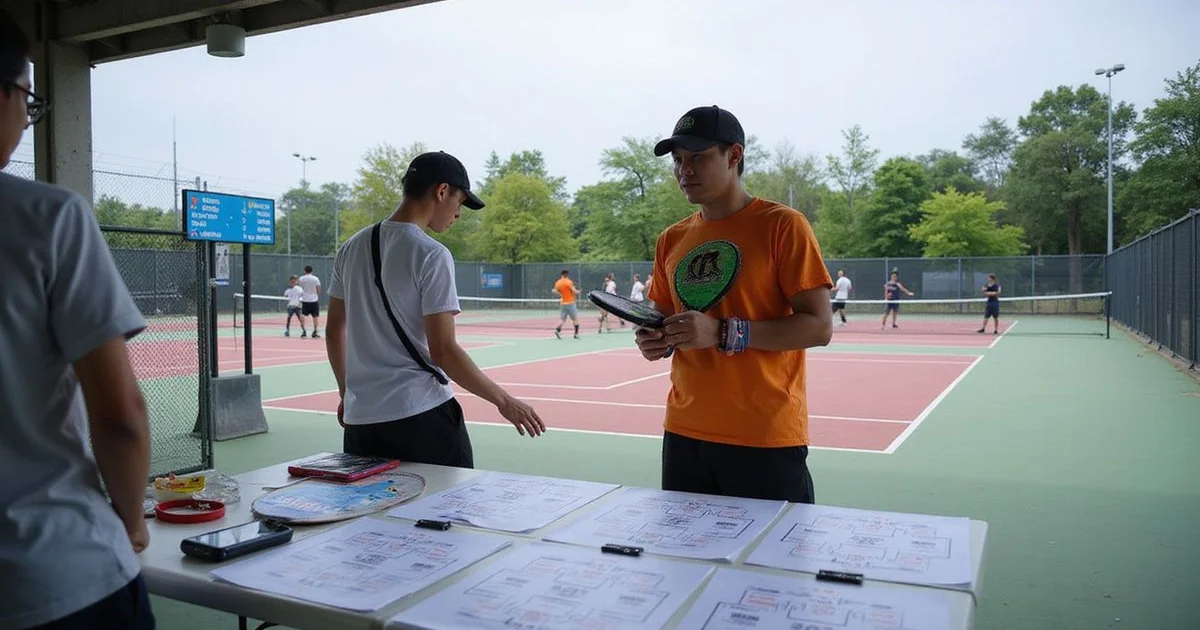
Entering your first pickleball tournament in Klang Valley can feel like a bigger step than it actually is. Here is what the process looks like and how to walk in prepared.
Finding a tournament that fits your level
Tournaments in Klang Valley typically divide players into skill-based divisions, often using a rating system to keep matches competitive rather than lopsided. If you are new to competitive play, look specifically for beginner or novice divisions, which most regularly run tournaments include. Entering a division above your actual level is the most common regret first-time tournament players report, since it usually means a rough day on court rather than an enjoyable one.
Mixed doubles, standard doubles and occasionally singles divisions are all common formats. If you have a regular playing partner, doubles is usually the more approachable entry point since you share both the pressure and the strategy.
Understanding your division and rating
Many Klang Valley tournaments use a rating system, such as DUPR, to place players into appropriate divisions, though some smaller or informal tournaments still rely on self-assessment or organizer judgment. If you do not have an official rating yet, be honest about your actual skill level when registering rather than underselling yourself into a lower division, since that creates an unfair experience for the players you end up facing.
Skill rating levels are typically described on a scale, and understanding roughly where you sit on it before your first tournament helps you pick the right division and set realistic expectations for how competitive your matches will be.
Registration and what to expect
Registration is typically done online or through the organizing club directly, and popular tournaments, especially beginner and intermediate divisions, can fill up weeks in advance. Register as soon as a tournament opens if you have a specific one in mind, rather than waiting until closer to the date.
Most local tournaments use either a round robin format, where you play every other entrant or team in your group, or a pool play stage followed by a knockout bracket. Which format a tournament uses affects how many matches you are guaranteed, so it is worth checking before you register if match volume matters to your decision.
Preparing in the weeks before
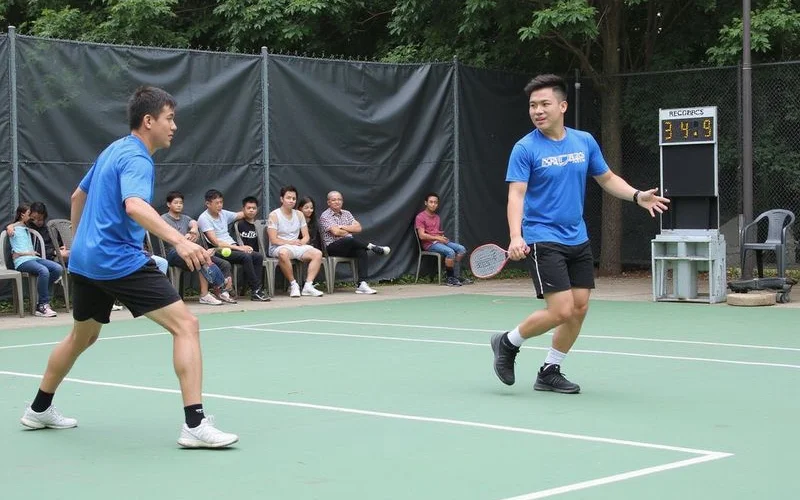
A few weeks of focused practice before your tournament date makes a noticeable difference, particularly on the shots you are least confident in. If you can, play a few practice matches against opponents at or slightly above your expected division level, since tournament pressure plays out differently than a casual social game.
Confirm the tournament’s ball type ahead of time. Indoor and outdoor pickleballs behave differently, and practicing with the wrong ball type in the lead-up can throw off your feel on the actual day.
Tournament day checklist
| Item | Why it matters |
|---|---|
| Paddle, plus a backup if you have one | Equipment failure mid-match is rare but costly |
| Correct ball type for the venue | Indoor and outdoor balls play differently |
| Water and snacks | Matches can run long between rounds |
| Comfortable, weather-appropriate clothing | Outdoor tournaments mean sun and heat exposure |
| Registration confirmation | Some venues check in participants against a list |
Managing first-tournament nerves
Almost every player remembers their first tournament nerves, and it is normal to feel more pressure than in a casual game, even in a beginner division. Focus on playing your usual game rather than trying anything new on tournament day, and treat the first match as a chance to settle in rather than expecting your best performance immediately.
Whatever the result, a first tournament is genuinely useful experience: you will walk away with a much clearer sense of your actual skill level and what to work on before the next one.
After the tournament
Take a few notes on how you played once the event wraps up, not just the score but what specifically felt strong or shaky. This is far more useful for planning your next block of coaching or practice than simply remembering whether you won or lost. Many players find their second tournament goes noticeably better than their first purely because they walked in with clearer, more specific things to work on.
Browse tournaments and leagues across Klang Valley to find an upcoming event that fits your level, or check the homepage for coaching options to help you prepare. Listings are scored using the approach described in our scoring method page.
Common questions
- Do I need a skill rating to enter a tournament?
- Most tournaments group players by self-reported or verified skill level, commonly using a rating system like DUPR, so you can usually estimate your level rather than needing an official rating before your very first event.
- How far in advance should I register?
- Popular tournaments can fill their brackets weeks ahead, especially in beginner and intermediate divisions. Registering as soon as a tournament opens gives you the best chance of getting into your preferred division.
- What format do most local tournaments use?
- A mix of round robin and bracket-based knockout formats is common, sometimes combined as pool play followed by a single-elimination bracket. Check the specific tournament's format when you register, since it affects how many matches you are guaranteed to play.
- What should I bring on tournament day?
- Your paddle, a backup paddle if you have one, extra balls, water, snacks, and a change of shirt if matches run long. Confirm the tournament's ball type in advance, since indoor and outdoor balls differ.