
Pickleball injuries and how to prevent them: a safety guide for Klang Valley players
By Janice · Updated 2026-07-18
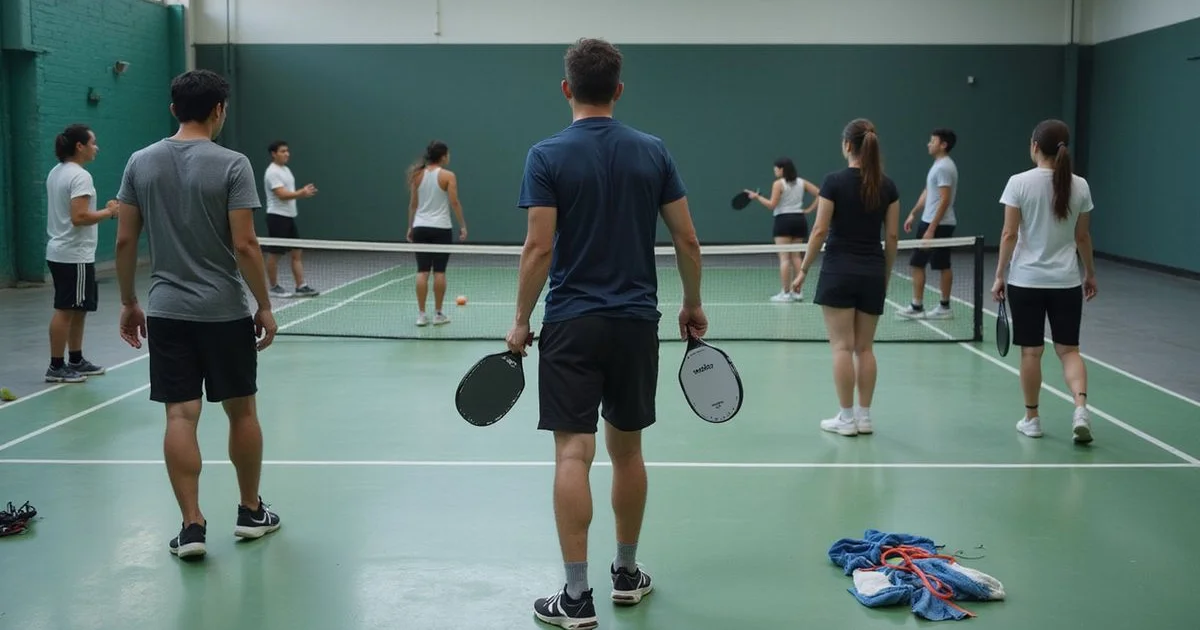
Pickleball looks low-impact from the sidelines, but the sudden stops, lateral lunges and repetitive arm motion add up to real injury risk, especially for players newer to racquet sports. None of this is meant to discourage you from playing; it is meant to help you play longer without setbacks.
This is general information, not medical advice. If you have an existing injury or health condition, check with a doctor before starting a new sport.
The most common ways players get hurt
Ankle rolls are consistently among the most reported pickleball injuries, usually from quick side-to-side movement combined with an uneven or slippery court surface. Several Klang Valley venues have flagged surface issues, from uneven patches to slippery spots after rain, in player feedback, which makes footwear and court awareness genuinely important here, not just theoretical advice.
Shoulder and elbow strain show up frequently too, largely from repetitive overhead and swinging motions without enough conditioning behind them. This tends to hit newer players hardest, since your arm has not yet adapted to the repeated motion of a full session.
Lower back strain from bending and lunging, plus general muscle fatigue from Klang Valley’s heat and humidity, round out the most common complaints. None of these are severe if caught early, but they add up if ignored.
Before you play
Court shoes with lateral support matter more than most beginners expect. Running shoes are built for forward motion and offer little stability during the quick side steps pickleball demands, which increases ankle-roll risk. A proper court shoe is a small cost against a potential injury.
A short warm-up, even five to ten minutes of light movement and a few easy rallies before playing at full speed, meaningfully lowers strain risk. Skip this and your first few points of a session are effectively your warm-up, which is exactly when injuries tend to happen.
During and after play
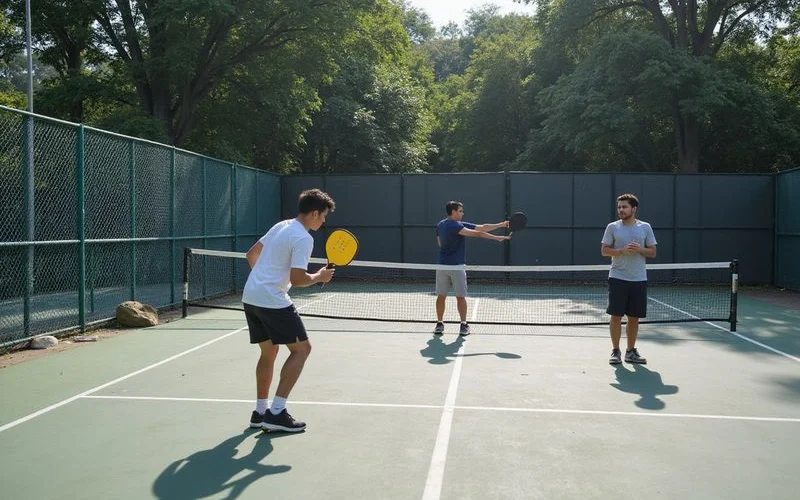
Hydration deserves more attention than it usually gets, particularly on outdoor courts during Klang Valley’s midday heat. Cramping and fatigue both increase injury risk, and both are largely preventable by drinking water before you feel thirsty, not after.
Pace yourself across a long session rather than playing every point at full intensity. Fatigue is one of the biggest hidden contributors to injury, since tired muscles react slower and joints get less support from the surrounding tissue.
Building general conditioning off the court
Players who supplement pickleball with basic strength and mobility work off the court tend to report fewer nagging injuries over time. Simple lower-body and core exercises build the stability that supports quick lateral movement, while shoulder mobility work helps with the repetitive swinging motion of serves and groundstrokes. None of this needs to be elaborate; even two short sessions a week of general conditioning make a measurable difference for recreational players.
Rest days matter too, especially if you are playing several times a week. Muscles and joints need recovery time between sessions to adapt to the repeated movement, and skipping rest in favor of daily play is a common way niggling soreness turns into a longer-term issue.
Quick reference: injury risk and what helps
| Common issue | Main cause | What helps |
|---|---|---|
| Ankle rolls | Lateral movement, uneven/slippery surface | Court shoes with lateral support, court awareness |
| Shoulder/elbow strain | Repetitive swinging motion | Warm-up, gradual intensity increase |
| Cramping/fatigue | Heat, dehydration | Hydration before and during play |
| Lower back strain | Bending and lunging without conditioning | Core strengthening, pacing yourself |
When to stop and get checked
Mild soreness a day after playing is normal and usually fades within a couple of days. Sharp pain during play, swelling, or soreness that lingers beyond that window is worth having looked at by a medical professional rather than playing through it, since minor strains ignored early tend to become bigger problems later.
Playing safely is mostly about small, consistent habits: the right shoes, a real warm-up, staying hydrated and knowing when to sit a session out. Get those right and pickleball is a genuinely low-injury sport for most recreational players. Browse pickleball courts across Klang Valley to find a venue with good surface conditions and space to play comfortably; listings are scored using the approach explained in our scoring method.
Common questions
- What is the most common pickleball injury?
- Ankle rolls and lower-leg strains are among the most frequently reported issues, usually from quick lateral movement on an uneven or slippery surface. Shoulder and elbow strain from repetitive shots are also common, especially in players new to racquet sports.
- Do I need to warm up before playing?
- Yes. A short warm-up of light movement and a few practice rallies before full-speed play significantly lowers strain risk, particularly for muscles and joints that are not used to sudden lateral movement.
- Are court shoes really necessary?
- Yes. Running shoes are built for forward motion, not the side-to-side movement pickleball demands, and can increase ankle-roll risk. Proper court shoes with lateral support are one of the cheapest ways to reduce injury risk.
- Should I see a doctor for pickleball soreness?
- Mild soreness after a session is normal. Sharp pain, swelling, or pain that persists beyond a few days is worth having checked by a medical professional rather than playing through it.