
Pickleball for seniors and older adults in Klang Valley
By Janice · Updated 2026-07-24
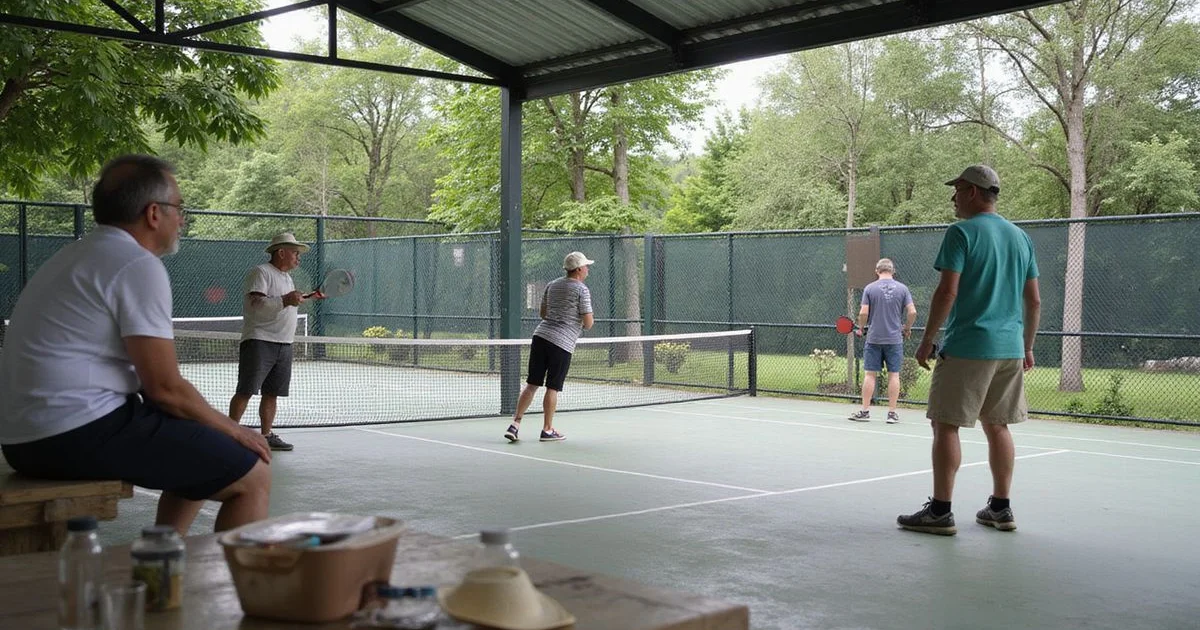
Pickleball has become genuinely popular among older adults, and it is not hard to see why once you look at what the sport actually demands compared to alternatives.
This is general information, not medical advice. Anyone with an existing health condition or joint issue should check with a doctor before starting a new physical activity.
Why the sport suits older adults well
The court is roughly a third the size of a tennis court, which means far less ground to cover during a game. Combined with an underhand serve and generally shorter rallies than tennis, pickleball asks less of your joints and cardiovascular system while still delivering a real workout, social interaction and hand-eye coordination benefits.
It is also genuinely social. Doubles is the standard format, so most games involve four people working together in short bursts rather than sustained solo exertion, which suits a more relaxed, conversational pace between points.
What to consider before starting
Court surface and footing matter more as we age, since balance and joint recovery both change over time. Look for venues with well-maintained, even surfaces, and avoid courts with known slippery or uneven patches, which come up occasionally in player feedback across the region.
Pace yourself in early sessions rather than matching the intensity of more experienced players. Building up gradually, both in session length and playing intensity, reduces strain risk and makes the sport more sustainable long-term than pushing hard from week one.
Sun and heat exposure deserve extra attention outdoors, particularly for anyone managing blood pressure or heat sensitivity. Indoor, air-conditioned venues or early morning outdoor sessions are worth prioritizing over midday outdoor play.
Finding the right venue
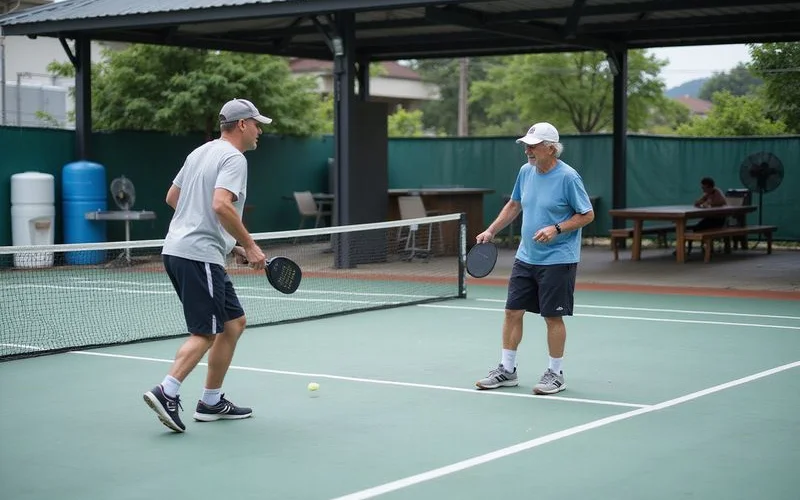
Not every venue has the same atmosphere. Some cater heavily to competitive players chasing skill ratings and tournament play, while others run genuinely relaxed, social open-play sessions where the pace and pressure are lower. Reviewers consistently highlight friendly and patient staff as a standout at the venues that get this right, so it is worth asking directly about the typical age range and pace of a club’s open-play sessions before committing.
What to look for, and why
| What to check | Why it matters for older players |
|---|---|
| Court surface condition | Balance and footing safety |
| Indoor vs outdoor, and time slot | Heat management |
| Session pace and atmosphere | Comfort and enjoyment, less pressure |
| Staff and community friendliness | Confidence for newer, older players |
| Group or social sessions available | Social connection, not just exercise |
Easing in physically
If you have not done regular physical activity in a while, a short conversation with a doctor before starting is a sensible first step, particularly if you manage a chronic condition or have had joint issues in the past. Once cleared to play, starting with shorter sessions, thirty to forty-five minutes rather than a full two-hour block, lets your body adjust gradually. Most venues and coaches are happy to structure a first few sessions around a shorter, lower-intensity format if you ask.
Doubles play also naturally builds in rest between points compared to singles, and pacing yourself between games rather than playing back-to-back matches without a break helps manage fatigue over a longer session.
Getting started at your own pace
There is no need to dive into competitive play or intense sessions to enjoy pickleball. A relaxed weekly open-play session, indoors or during cooler outdoor hours, is enough to build fitness, coordination and a genuine social circle over time. Many players who start this way find the community aspect matters as much as the game itself. If you expect to play weekly long-term, it is worth comparing membership against pay-per-session pricing once you have settled on a venue.
Bringing a friend or family member along
Starting with someone you already know, a spouse, a friend, an adult child, tends to lower the barrier to that first session considerably. It gives you a familiar face on court while you both get comfortable with the rules and pace, and many venues are set up well for exactly this kind of low-pressure pairing, particularly during dedicated social or open-play hours rather than more competitive time slots.
If nobody in your circle plays yet, do not let that stop you. Open-play sessions specifically exist to welcome solo newcomers, and staff at most venues are used to introducing new players into an existing group rather than leaving them to figure it out alone.
Browse social clubs and open-play sessions across Klang Valley to find a venue with a pace that suits you, scored using the approach described in our scoring method page. You can also start from the homepage to compare coaching or private court options.
Common questions
- Is pickleball safe for older adults?
- For most healthy adults, yes. It is lower-impact than running or many other sports, and the smaller court means less ground to cover than tennis. Anyone with joint issues or a pre-existing condition should check with a doctor before starting.
- What should a senior look for in a venue?
- A welcoming, unhurried atmosphere matters more than fancy facilities. Look for venues with dedicated open-play or social sessions, level and well-maintained courts, and staff or regulars known for being patient with newer or older players.
- Do I need to be fit to start playing pickleball?
- No. Pickleball is commonly recommended as an accessible way to build fitness gradually rather than something you need to already be fit for. Starting at a relaxed pace and building up is completely normal.
- Are there social clubs specifically for older players?
- Some social clubs run sessions or groups skewed toward older or more casual players, though this varies by venue. It is worth asking directly when you contact a club about the typical age range and pace of their open-play sessions.